Explore web shell detection by analyzing logs, file systems, and network traffic. 🐧🐧 Room Link: https://tryhackme.com/room/detectingwebshells Knowing how to detect web shells is an essential skill for SOC Analysts and Incident Responders. Web shells are a common technique attackers use to gain an initial foothold on target systems. They...
Verified link by Valmet Tissue Converting Solutions
TryHackMe Detecting Web Shells - Full Walkthrough 2025 Information Center
Get comprehensive updates, key reports, and detailed insights compiled from verified editorial sources.
Introduction to TryHackMe Detecting Web Shells - Full Walkthrough 2025

Explore web shell detection by analyzing logs, file systems, and network traffic. 🐧🐧 Room Link: Knowing how to detect web shells is an essential skill for SOC Analysts and Incident Responders. Web shells are a common technique attackers use to gain an initial foothold on target systems. They provide remote access, enabling various actions later in the attack chain. In this room, we will begin by refreshing our understanding of web shells, then dive into detection techniques using a variety of logs and tools. 🐱🐱 Learning Objectives 🐱🐱 📌 Understand what web shells are and how attackers use them 📌 Detect web shell activity through log, file system, and network analysis 📌 Understand common tooling in web shell detection 🐱🐱 Room Tasks 🐱🐱 [00:00] 🐈 Task 1: Introduction [02:38] 🐈 Task 2: Web Shell Overview - Which MITRE ATT&CK Persistence sub-technique are web shells associated with? - What file extension is commonly used for web shells targeting Microsoft Exchange? [06:05] 🐈 Task 3: Anatomy of a Web Shell - Access the shell and determine which account you have access to by running the whoami command. - List the directory contents and find the flag using the ls and cat commands. [08:44] 🐈 Task 4: Log-Based Detection - What is the part of the URL that associates values to parameters and can be a valuable indicator of web shell activity? - What auditd syscall would confirm that a file was written to disk following a suspicious POST request to /upload.php? [21:26] 🐈 Task 5: Beyond Logs - What command would you use to locate .php files in the /var/www/ directory? - Which Wireshark filter would you use to search specifically for PUT requests? [28:55] 🐈 Task 6: Investigation - Which IP address likely belongs to the attacker? - What is the first directory that the attacker successfully identifies? - What is the name of the .php file the attacker uses to upload the web shell? - What is the first command run by the attacker using the newly uploaded web shell? - After gaining access via the web shell, the attacker uses a command to download a second file onto the server. What is the name of this file? - The attacker has hidden a secret within the web shell. Use cat to investigate the web shell code and find the flag. [40:08] 🐈 Task 7: Conclusion ⚠️ Educational Purpose Only This content is for educational and authorized penetration testing purposes only. Always ensure you have permission before testing on any systems.
Key Details
Explore the main sources for TryHackMe Detecting Web Shells - Full Walkthrough 2025.
Latest News
Stay updated on TryHackMe Detecting Web Shells - Full Walkthrough 2025's latest milestones.
Featured Video Reports & Highlights
Below is a handpicked selection of video coverage, expert reports, and highlights regarding TryHackMe Detecting Web Shells - Full Walkthrough 2025 from verified contributors.
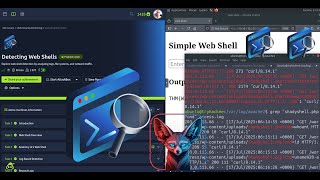
TryHackMe Detecting Web Shells - Full Walkthrough 2025
Full Guide
Data is compiled from public records and verified media reports.
Last Updated: May 22, 2026
Conclusion
For 2026, TryHackMe Detecting Web Shells - Full Walkthrough 2025 remains one of the most talked-about profiles. Check back for the newest reports.
Disclaimer:
