1. Automation and Accuracy Eliminates manual attendance marking, reducing human errors. Ensures real-time data recording. 2. Speed and Efficiency QR code scanning is much faster than manual entry or biometric systems. Reduces queue times for large groups. 3. Contactless and Hygienic Especially useful post-pandemic for minimizing touch-based...
Verified link by Valmet Tissue Converting Solutions
A Smart QR Attendance System In Python-II (assuming It Refers To Python As A Programming Language) Information Center
Get comprehensive updates, key reports, and detailed insights compiled from verified editorial sources.
Background of A Smart QR Attendance System In Python-II (assuming It Refers To Python As A Programming Language)

1. Automation and Accuracy Eliminates manual attendance marking, reducing human errors. Ensures real-time data recording. 2. Speed and Efficiency QR code scanning is much faster than manual entry or biometric systems. Reduces queue times for large groups. 3. Contactless and Hygienic Especially useful post-pandemic for minimizing touch-based attendance systems. 4. Security and Authentication Unique QR codes prevent proxy attendance. Can integrate with authentication mechanisms (e.g., OTP, facial recognition). 5. Cloud and Database Integration Stores attendance records securely in databases (MySQL, Firebase, MongoDB). Allows easy access, tracking, and reporting. 6. Mobile-Friendly Works with mobile apps or web-based platforms for flexible access. 7. Cost-Effective Reduces the need for expensive biometric hardware. Uses smartphones and open-source libraries like OpenCV, Pyzbar, and Tkinter. 8. Customization and Scalability Can be integrated with payroll, HR, or student management systems. Scales up for large organizations or multiple locations.
Main Features
Explore the main sources for A Smart QR Attendance System In Python-II (assuming It Refers To Python As A Programming Language).
Recent Updates
Stay updated on A Smart QR Attendance System In Python-II (assuming It Refers To Python As A Programming Language)'s newest achievements.
Featured Video Reports & Highlights
Below is a handpicked selection of video coverage, expert reports, and highlights regarding A Smart QR Attendance System In Python-II (assuming It Refers To Python As A Programming Language) from verified contributors.
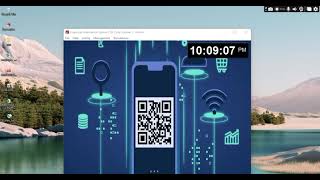
Full Guide
Data is compiled from public records and verified media reports.
Last Updated: May 22, 2026
Conclusion
For 2026, A Smart QR Attendance System In Python-II (assuming It Refers To Python As A Programming Language) remains one of the most searched-for profiles. Check back for the latest updates.
Disclaimer:
